

Early detection of Bladder Cancer Symptoms can significantly improve treatment outcomes, yet most early signs are silent, subtle, or easily confused with common urinary issues. Understanding these signs helps you seek medical care at the right time and protect your urinary health more effectively.
Bladder cancer often begins quietly, making symptoms difficult to notice. Recognizing small changes, such as blood in the urine, frequent urination, or pelvic discomfort, enables early detection and timely treatment. Awareness is crucial for nshupreventing advanced complications and improving long-term outcomes.
What Are the Early Bladder Cancer Symptoms You May Be Ignoring?
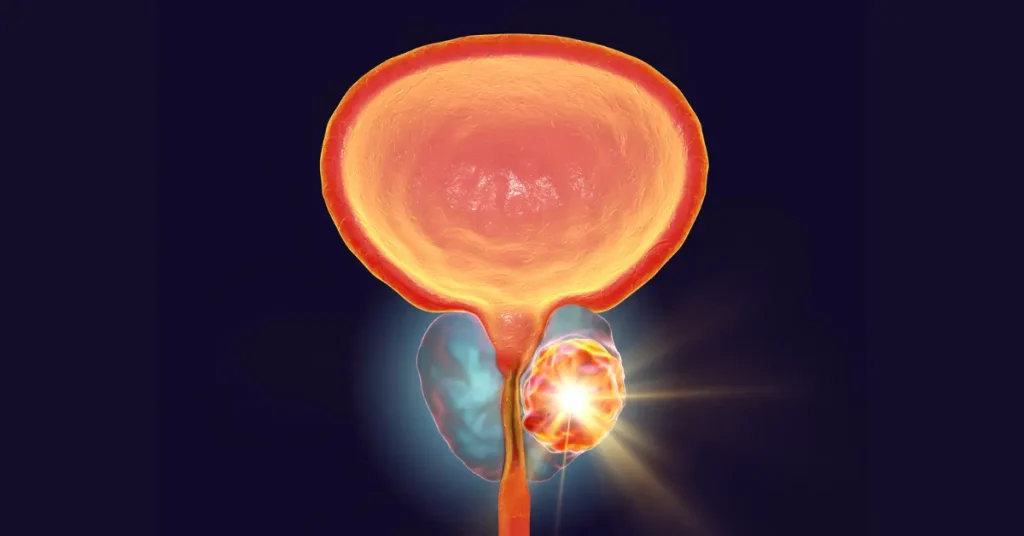
Early Bladder Cancer Symptoms include blood in urine, discomfort while urinating, pelvic pressure, and frequent urges to urinate. These symptoms are often mistaken for infections, causing delayed diagnosis. Paying attention to recurring urinary changes can help you identify early signals and consult a specialist on time.
These symptoms may appear occasionally, fade, and then return. Even if they seem mild, they can indicate underlying bladder problems that need medical review. Small issues, when ignored, may progress into more serious conditions requiring advanced management.
Can Frequent Urination Be a Sign of Urinary Bladder Cancer?

Yes. Frequent urination—especially when unrelated to hydration—can be an early sign of Urinary Bladder Cancer. Tumor growth irritates the bladder lining, causing repeated urges to urinate. If urgency is accompanied by burning or blood in urine, further evaluation becomes essential.
This symptom is often confused with UTIs, but if the issue returns despite treatment or occurs without infection, it should not be ignored. Persistent urgency requires timely investigation to rule out serious bladder conditions.
Does Pelvic or Lower Back Pain Indicate a Serious Bladder Condition?
Persistent pelvic pressure or lower back pain can signal later stages of bladder cancer. As tumors expand, they create pressure around the bladder and nearby nerves, leading to ongoing discomfort. Unexplained pain that continues for days or weeks requires medical attention.
This type of pain is often mistaken for muscle strain or general fatigue, which leads to delayed diagnosis. Any unusual discomfort without an apparent cause should be taken seriously, especially when paired with other changes.
Are Fatigue and Weight Loss Linked to Bladder Cancer Symptoms?
Yes. Fatigue and sudden weight loss are often overlooked but can occur alongside other Bladder Cancer Symptoms. The body becomes weak as it tries to fight internal inflammation and cancer activity. These signs typically appear in more advanced stages.
When energy levels drop without lifestyle changes or weight reduces unexpectedly, it signals the need for evaluation. Such systemic symptoms should never be ignored, especially when urinary issues are also present.
When Should You Consider Bladder Cancer Treatment?
You should consider evaluation for Bladder Cancer Treatment when symptoms persist, recur, or worsen. Early treatment improves survival chances and prevents complications. Medical help becomes essential when blood in urine, frequent urination, or pelvic pain continue without explanation.
Timely consultation ensures cancers are identified at treatable stages. Early intervention also reduces treatment intensity and improves long-term outcomes.
FAQs
1. What is the first noticeable symptom of bladder cancer?
Blood in urine—visible or microscopic—is often the earliest and most common sign.
2. Can bladder cancer occur without pain?
Yes. Many people experience no pain until the disease progresses.
3. Are frequent UTIs a warning of bladder cancer?
Recurring infections may signal deeper bladder issues and should be evaluated.
4. How is Urinary Bladder Cancer diagnosed?
Doctors use urine tests, cystoscopy, scans, and biopsy for accurate diagnosis.
5. Is bladder cancer treatable?
Yes. Early detection increases the effectiveness of Bladder Cancer Treatment.
6. Who has a higher risk of bladder cancer?
Smokers, older adults, workers exposed to chemicals, and those with chronic UTIs.
Author- Dr. Anshul Garg
Dr. Anshul Garg is a leading Urologist in Agra with 15+ years of experience in advanced urology surgeries. A graduate of S.N. Medical College, Agra, with an M.Ch in Urology from IGIMS, he is the Founder & Director of Elite Urology and Stone Clinic. He specializes in kidney stone management, prostate surgeries, RIRS, PCNL, and a wide range of urological treatments, including hydrocele, varicocele, erectile dysfunction, bladder tumors, and andrology care.
Conclusion
Bladder cancer develops quietly, but its early warning signs can protect your health when recognized on time. Noticing subtle Bladder Cancer Symptoms, such as blood in urine or frequent urination, allows early intervention. If symptoms persist, seeking timely Bladder Cancer Treatment ensures better outcomes and long-term urinary wellness.